Aviary
AV
captions

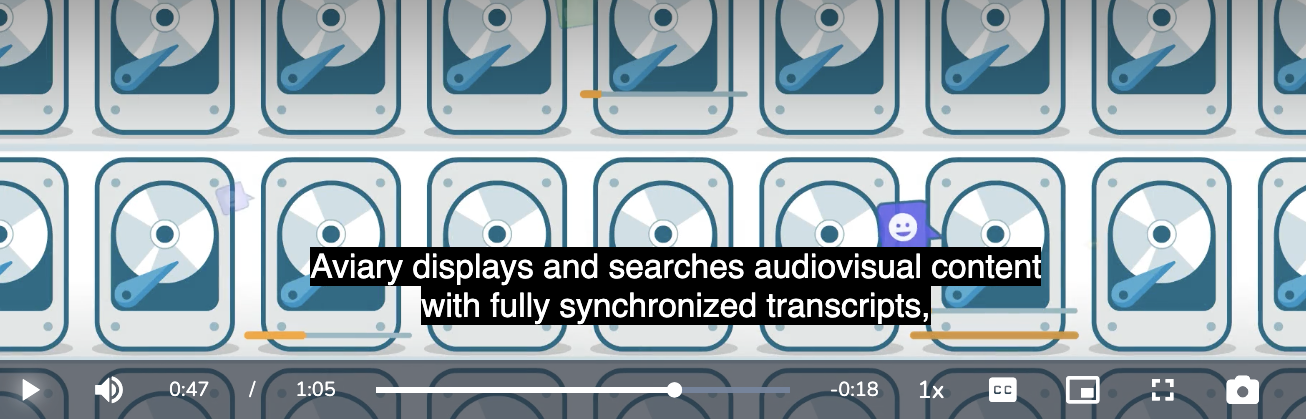

A recent trend is changing how the world consumes video: more-and-more users are turning on the captions.
A poll by the Associated Press-NORC Center for Public Affairs Research found that about a third of the public either always or often uses subtitles or closed captioning when watching TV or movies. This phenomenon is particularly strong among younger adults.
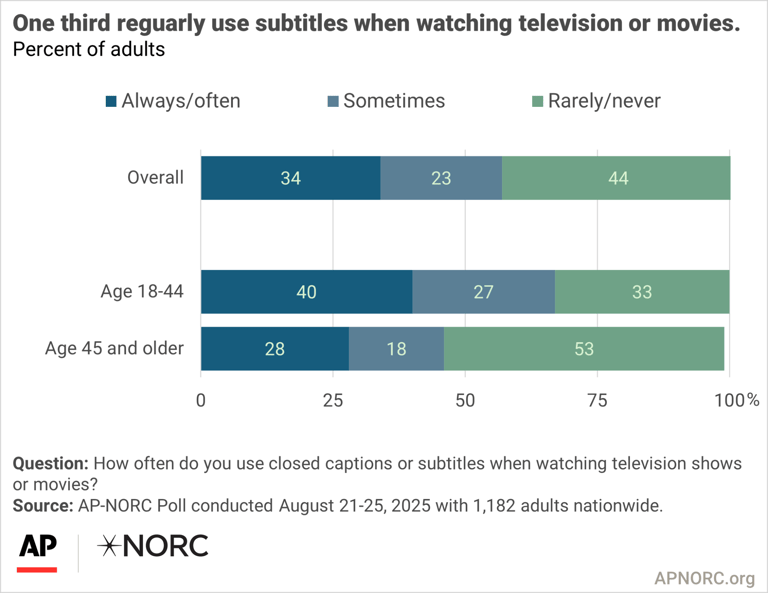
Crucially, users are turning them on for reasons that extend far beyond traditional accessibility.
Why are captions now the standard viewing mode? According to the poll, users are seeking captions for practical reasons directly relevant to the quality of the viewing experience:
To Catch Every Word: Half of those who use subtitles do so because they want to ensure they don't miss any dialogue.
Tackling Poor Audio: A quarter of users rely on captions due to poor audio quality in the content itself.
Noisy Environments: A third use captions because they are watching in a noisy environment.
Accents and Dialogue: Four in ten use them to better understand accents or foreign language content.
Multitasking: A quarter of users turn on captions because they are multitasking.
The takeaway is clear: captions are no longer a niche feature; they are a core tool for comprehension and discovery.
For organizations using the Aviary platform to provide access to archival video collections, this trend is a powerful mandate. Archival footage often suffers from poor original audio quality, heavy accents, and complex topics—precisely the challenges modern viewers are trying to overcome by using captions.
By providing captions and transcripts for your video collections in Aviary, you deliver four key benefits:
Universal Discovery: Captions act as searchable transcripts in Aviary. This allows researchers to search your entire video collection by keyword and jump to the exact moment a topic is discussed, effectively solving the "I want to catch every word" problem for academic inquiry.
Addressing Archival Audio Challenges: Captions immediately solve the core viewing issues identified in the poll—poor audio quality and noisy environments—by supplementing the audio stream with perfect text.
Meeting Accessibility Mandates: First and foremost, synchronized captions ensure compliance with accessibility requirements, providing essential access to deaf and hard-of-hearing users.
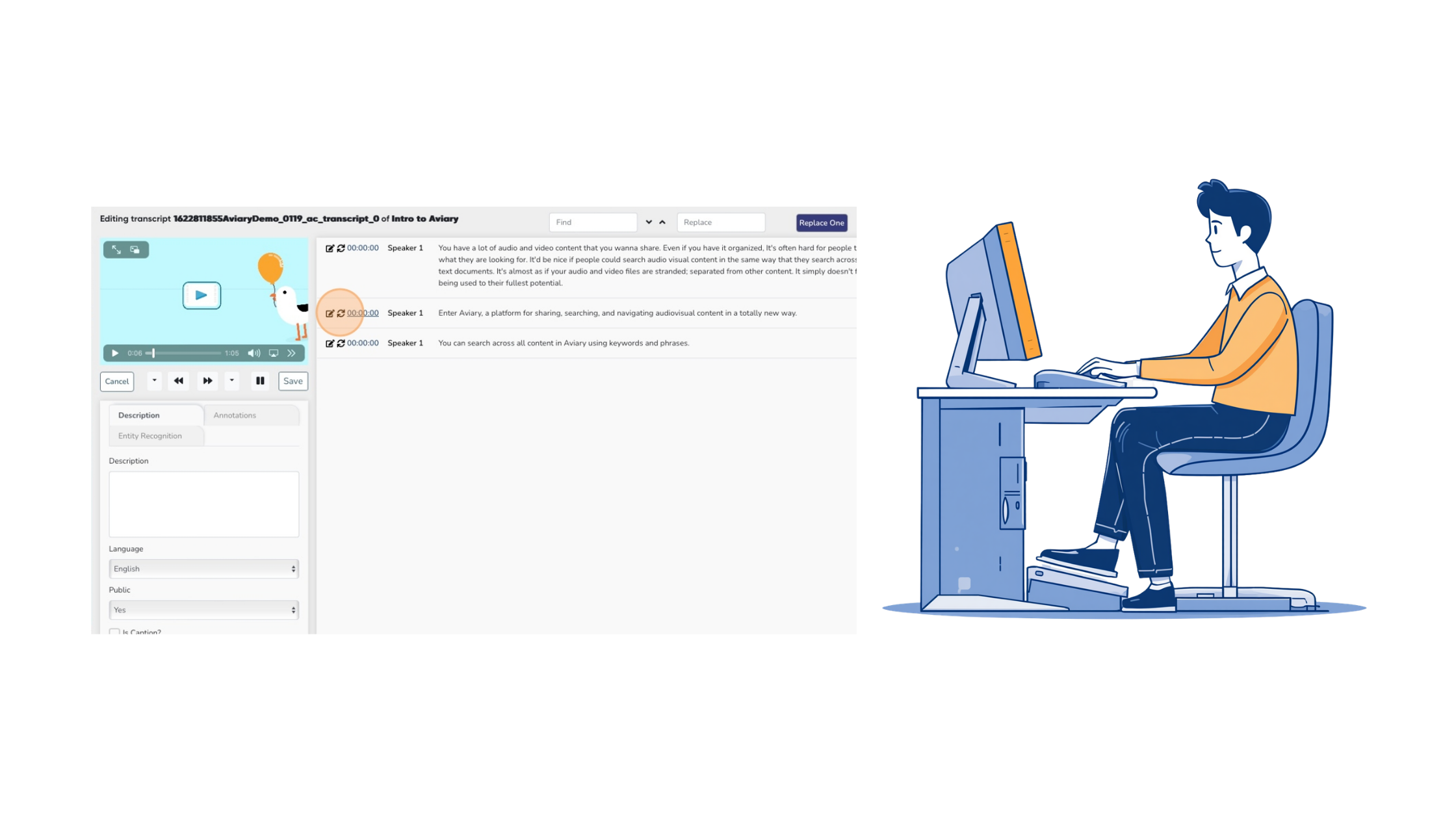
Cost-Effective Implementation: Aviary’s integrated transcription services (with providers like WhisperX, AssemblyAI, and Trint) make generating synchronized captions efficient and cost-effective, allowing you to quickly add this essential layer of access to hundreds of resources.
Don't let your valuable archival video remain "invisible." By leveraging Aviary's integrated captioning tools, you not only meet accessibility standards but also cater to the modern user's demand for full-text control, making your collections truly discoverable. See Aviary's user documentation for more information about transcripts and captions in Aviary.